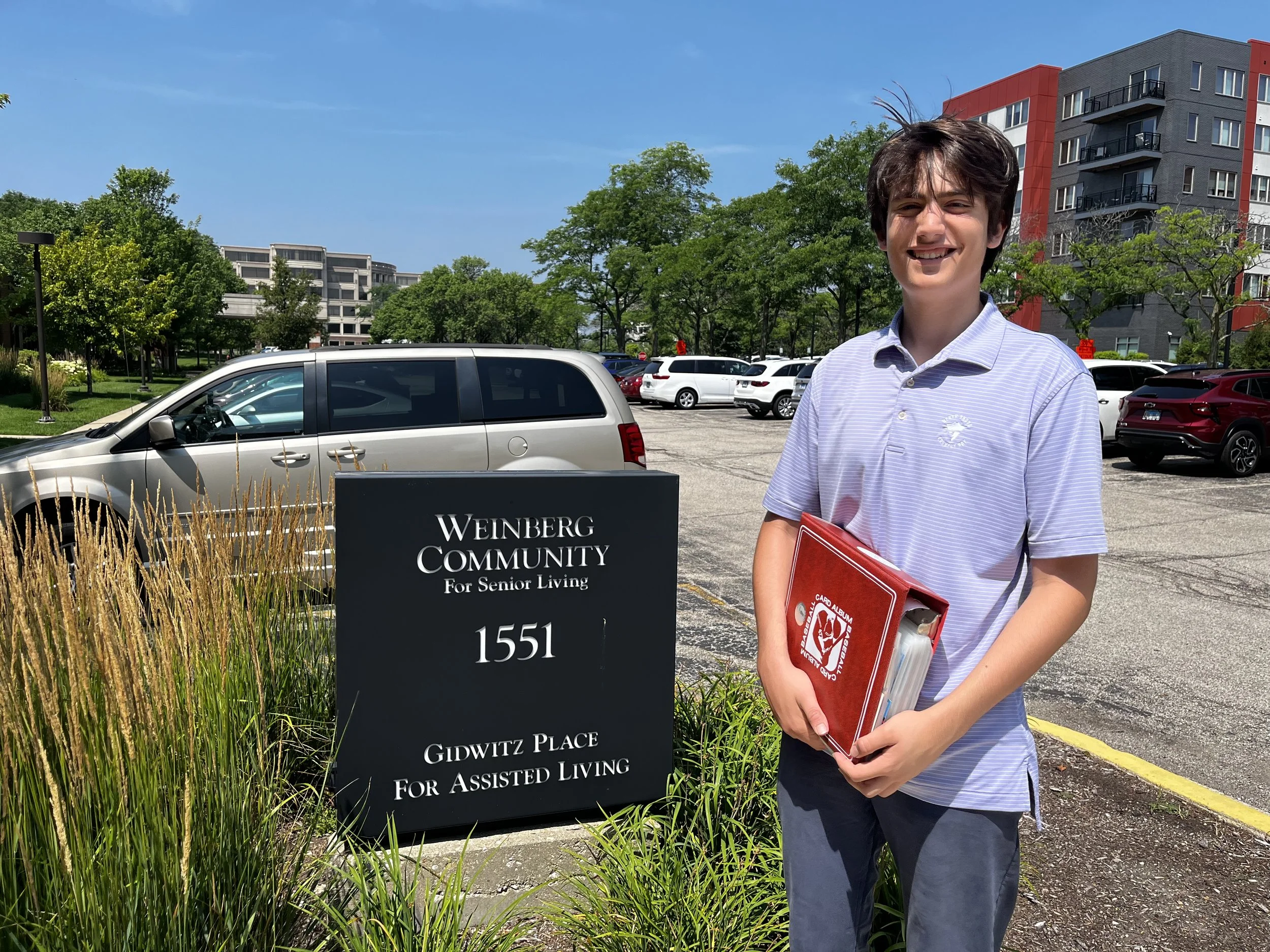
The Beginning
of Baseball Generations
Baseball has always been more than a game in my life. It has been a thread that stitched my family together. Some of my earliest memories are of sitting beside my grandpa, watching the Chicago Cubs, and learning the rhythms of the game inning by inning.
In 2016, when the Cubs finally won the World Series, I was just seven years old. I did not fully grasp the weight of that moment in baseball history, but I understood what it meant to my grandpa. I saw it in his eyes, and the way he held onto that victory. It was something he had waited a lifetime to see. That moment became ours.
As I grew older, baseball stayed at the center of my family life. My parents, my sister, and my grandparents were always there at games cheering me on. It was never just about playing. It was about being together.
Then things changed.
When my grandpa was hospitalized, he could no longer come to my games. Even after he came home, something was not right. He was not the same. The doctors said he had experienced hospital delirium, a condition I had never heard of before. Recovery would take time.
I wanted to understand what had happened to him, so I started researching hospital delirium and elder care. That is when I discovered something that stayed with me. Storytelling can play a powerful role in helping older adults. It can support memory, improve emotional well-being, and strengthen social connections.
It made me think about baseball.
Baseball is not just statistics and scores. It is stories passed down from generation to generation about teams, players, moments, and memories. I realized that those stories, the ones my grandpa and I had shared, might hold more than just nostalgia. They could help people.
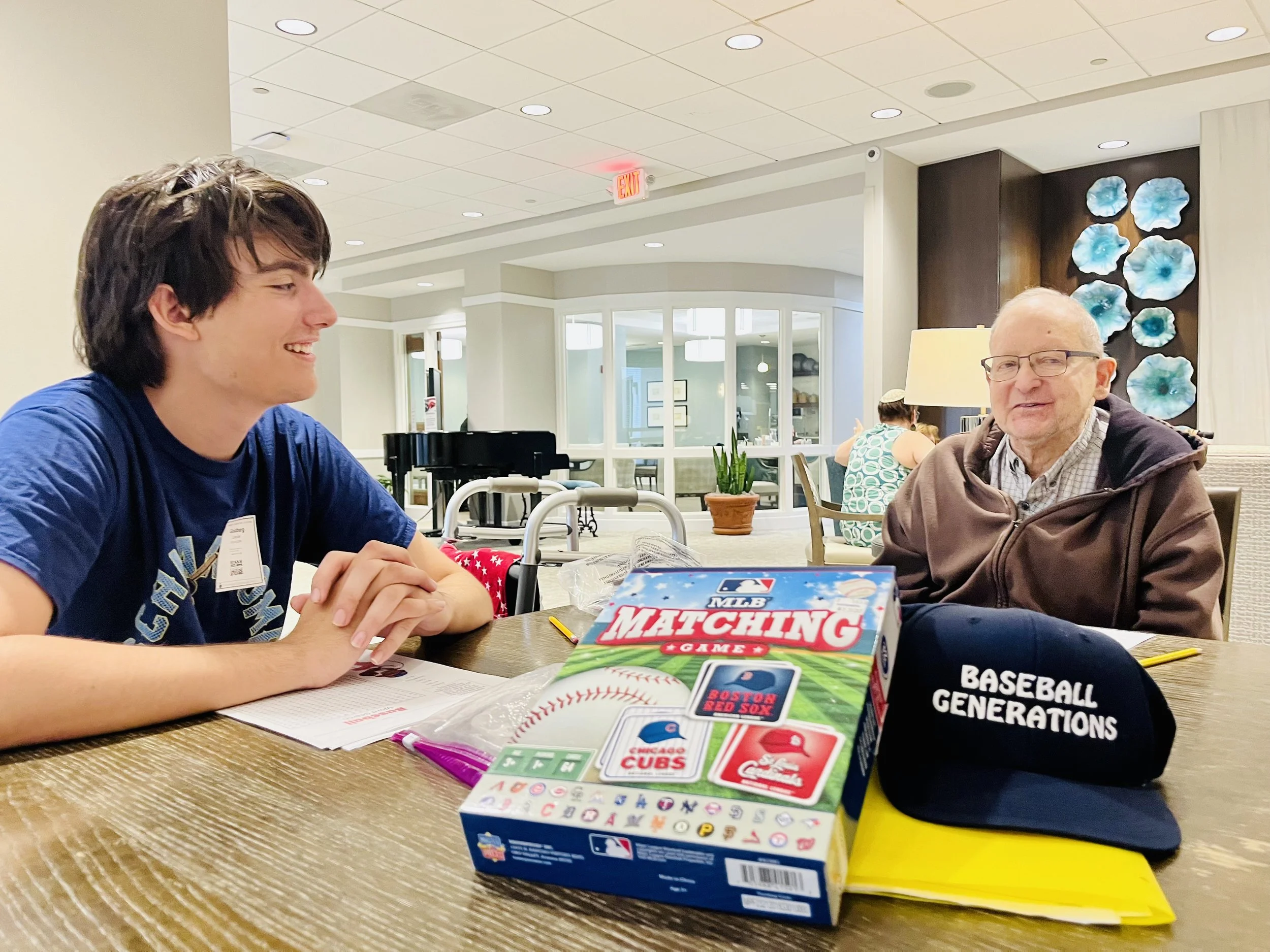
In 2024, I decided to act on that idea. I began visiting elder care facilities to sit with residents and talk about baseball. Sometimes I told stories. Other times, I simply listened. In those conversations, something powerful happened. Faces lit up, memories resurfaced, and connections formed.
I call this effort Baseball Generations.
The name represents more than just the sport. It reflects a belief that baseball can serve as a bridge to memory, identity, and healing across generations. What started as a way to cope with my grandpa’s illness grew into a mission to bring people together through the timeless stories of the game we love.
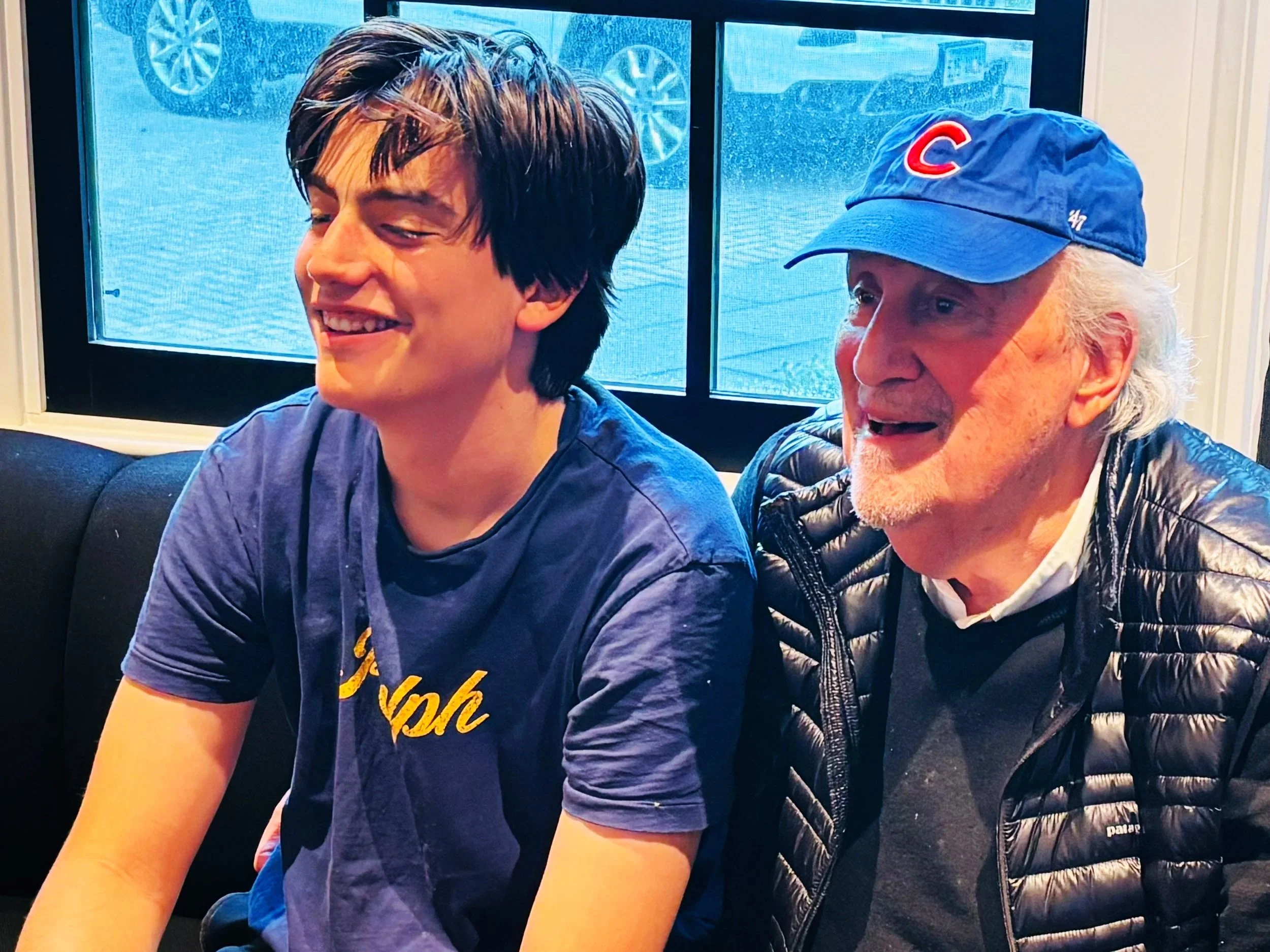
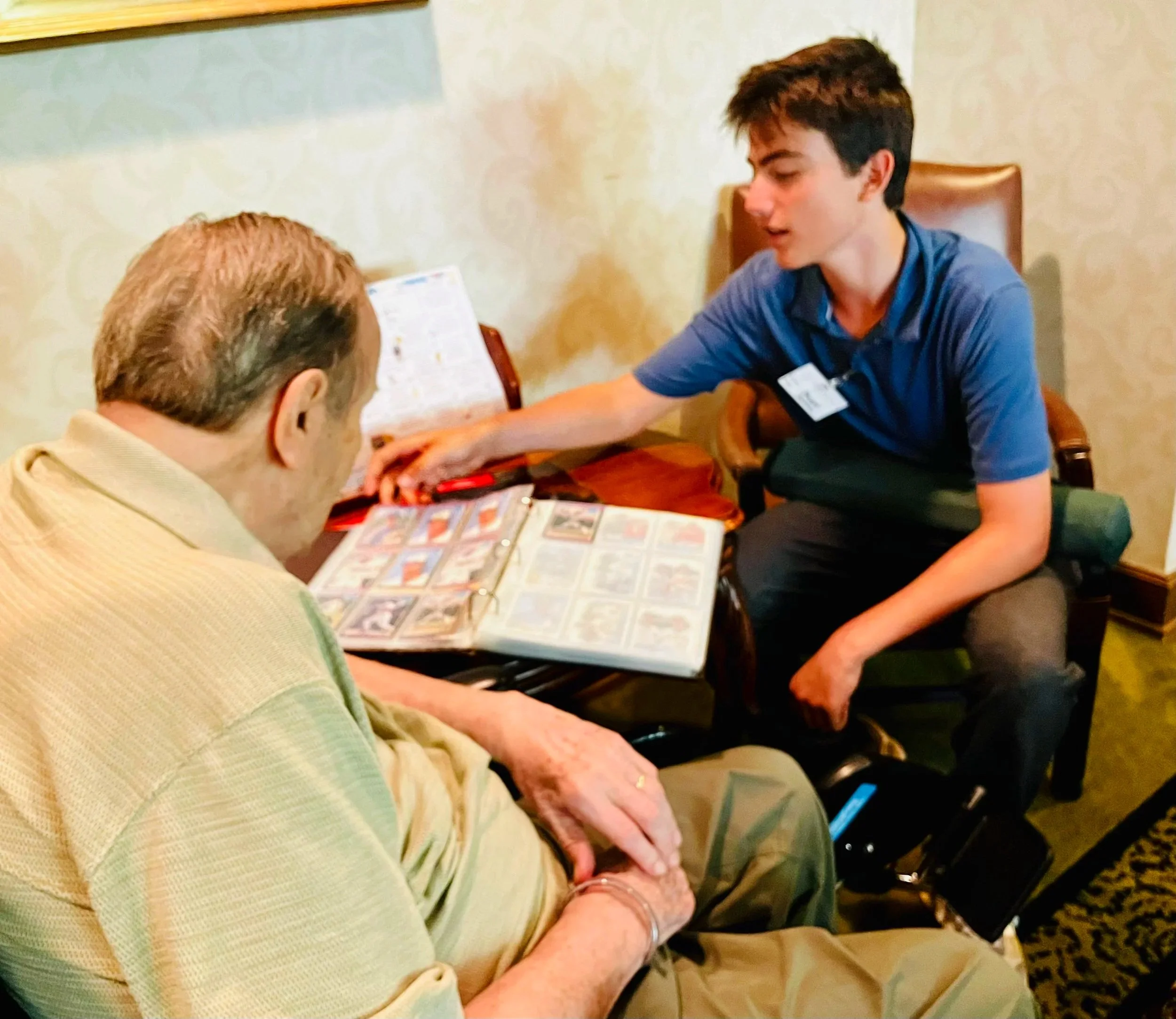
Baseball Generations is Born
This gentleman played minor league baseball, and his favorite player was Lou Gehrig, the original iron man.
Baseball Generations Continues
We talked about the Black Sox game fixing scandal from 1919 and how it compared to the Houston Astros sign stealing scandal from 2019.
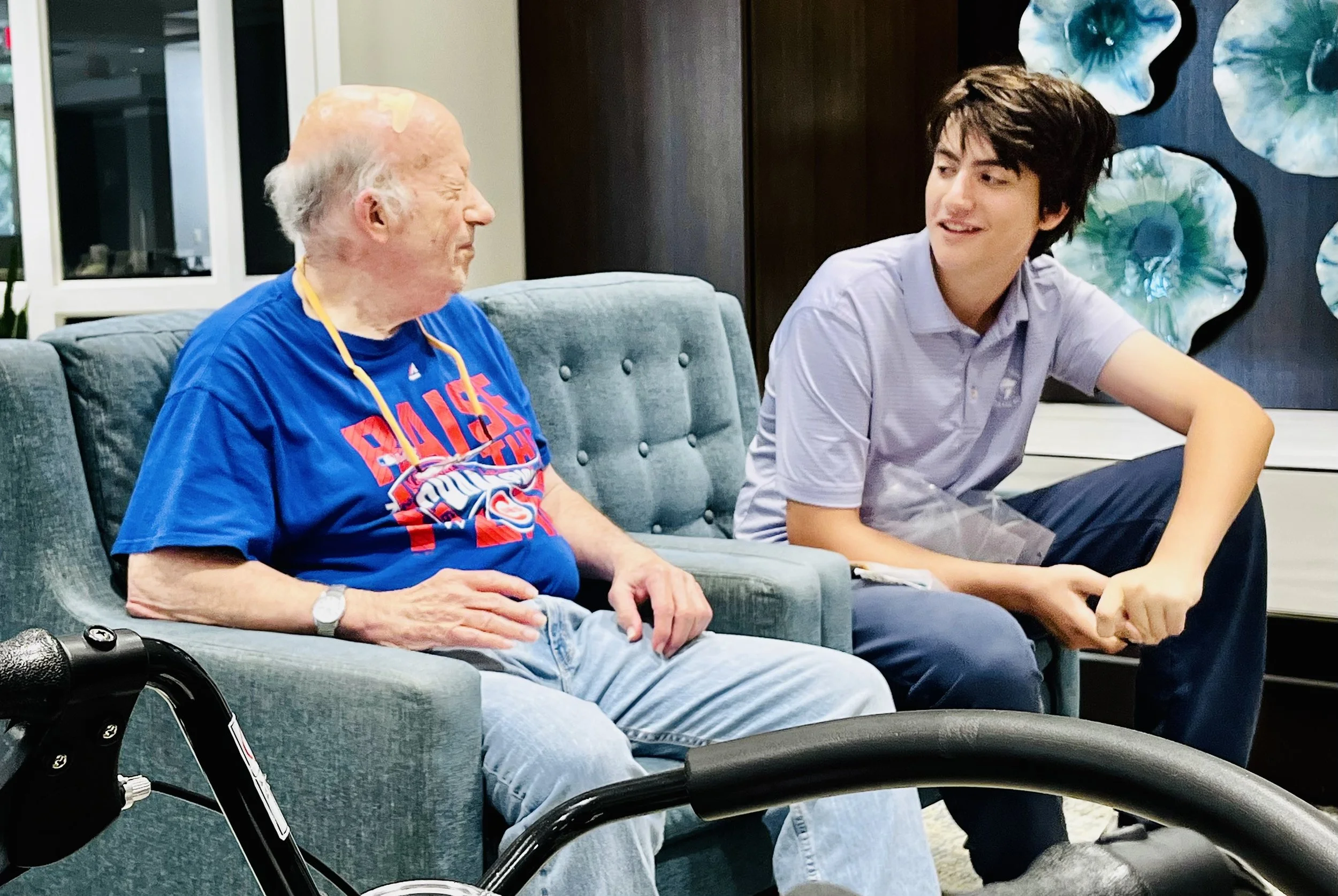
We talked about baseball, but we also talked about life. We played some baseball matching games, too, which was fun.
Baseball Generations Grows
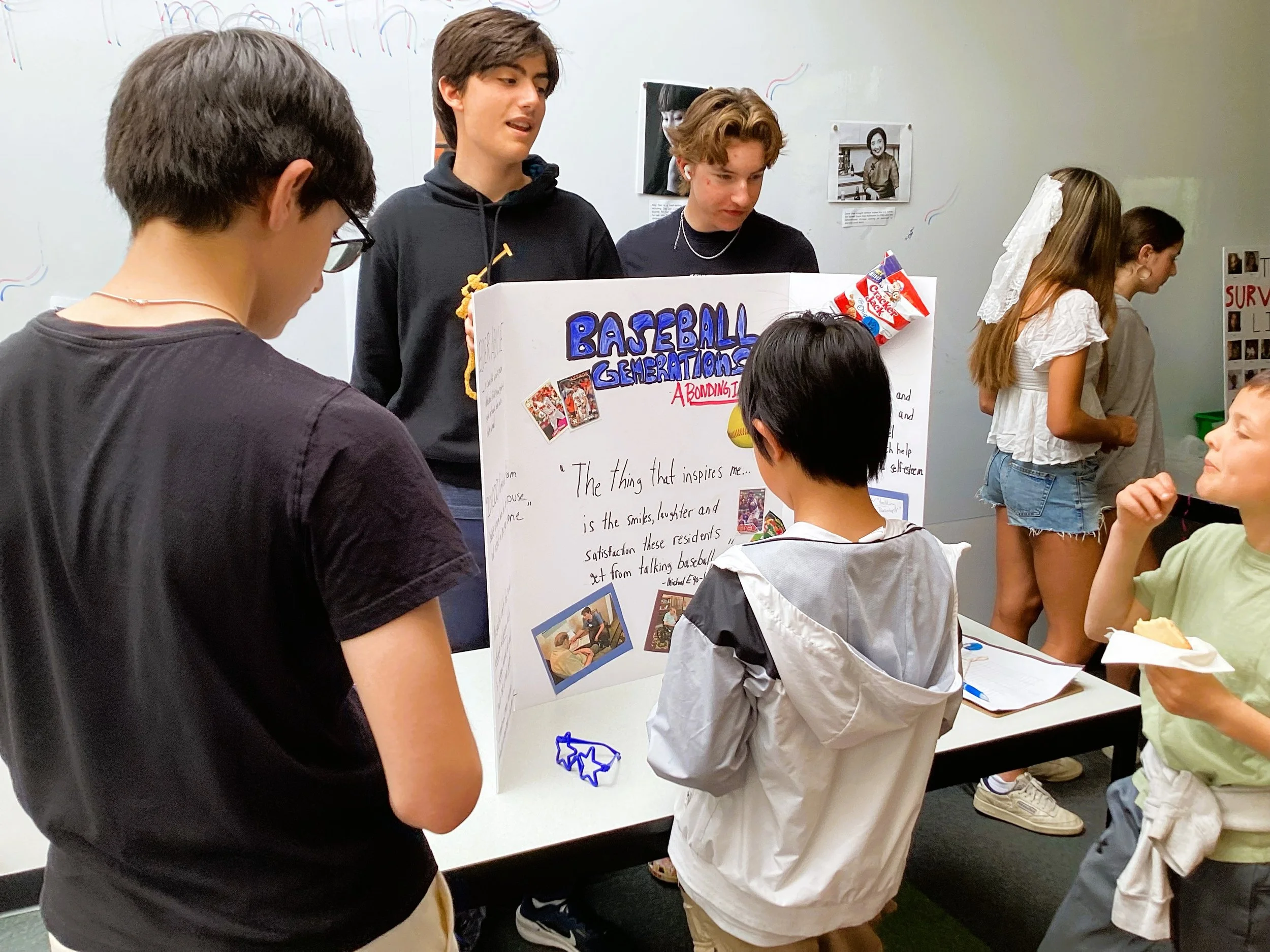
During freshman year of high school, I started to grow the Baseball Generations movement, recruiting my teammates and other students to participate.